
View the Obituaries
Early colonists in South Australia were keen to expand into the vast lands of South Australia for food and fibre production for their own use out of necessity but also for trade. Cereals, especially wheat, grew well on newly cleared land, sheep were brought in from neighbouring colonies and horticultural crops, including many varieties of fruits and vegetable and vines, were established as favourable land was cleared.
All was well until the 1870s when declining soil fertility and drought threatened these fledgling industries. The government set up a commission in 1875 to develop ways of providing technical and agricultural education for the colonists. The commission recommended the formation of a Department of Agriculture, but this was not acted upon until the turn of the century. In the meantime a Professor of Agriculture was appointed and Roseworthy Agricultural College opened its doors in 1885.
Droughts in 1885 and 1886 accelerated the formation of an Agricultural Bureau system controlled by a Central Bureau. This bureau became the forerunner of the Department of Agriculture.
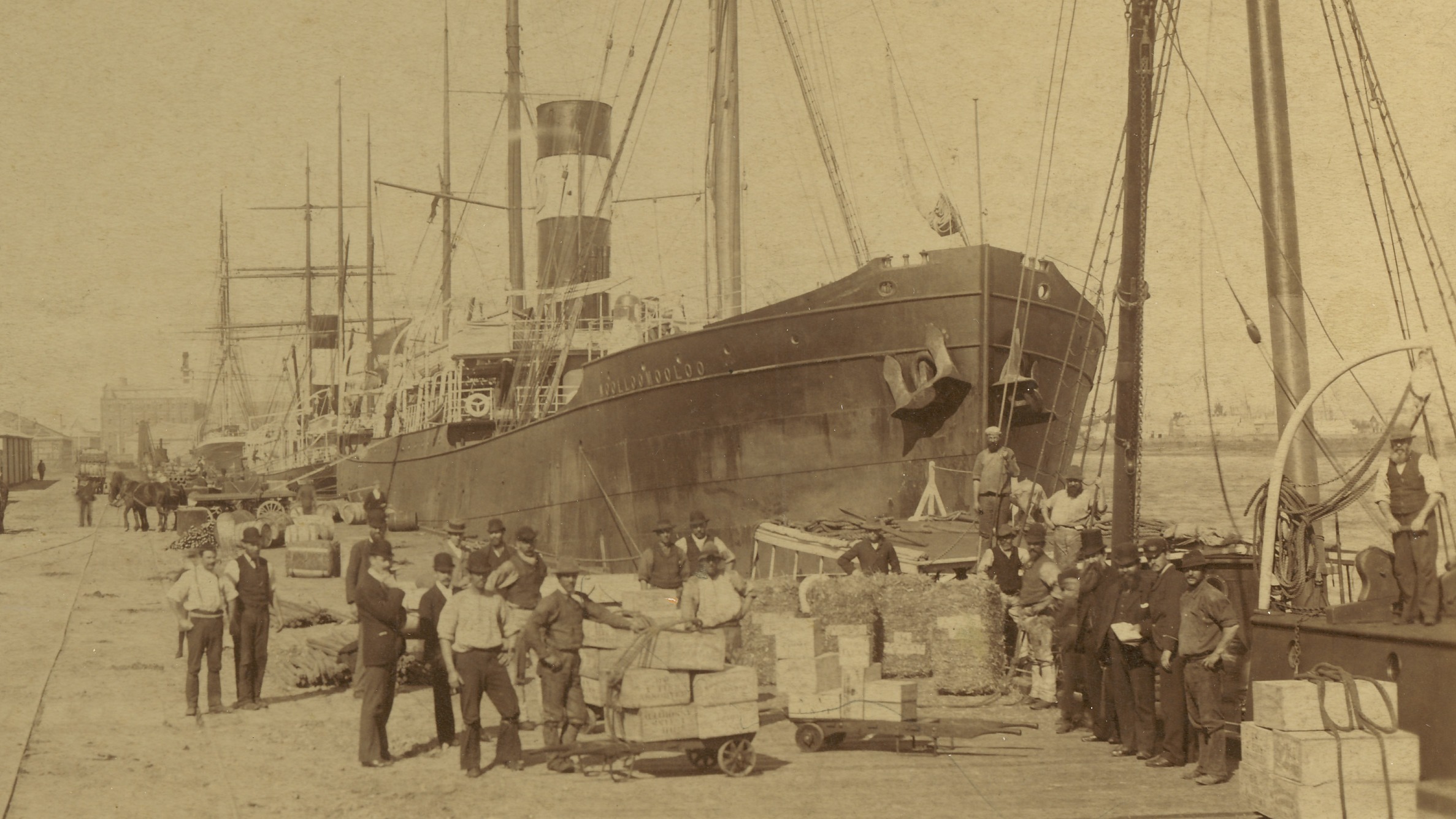
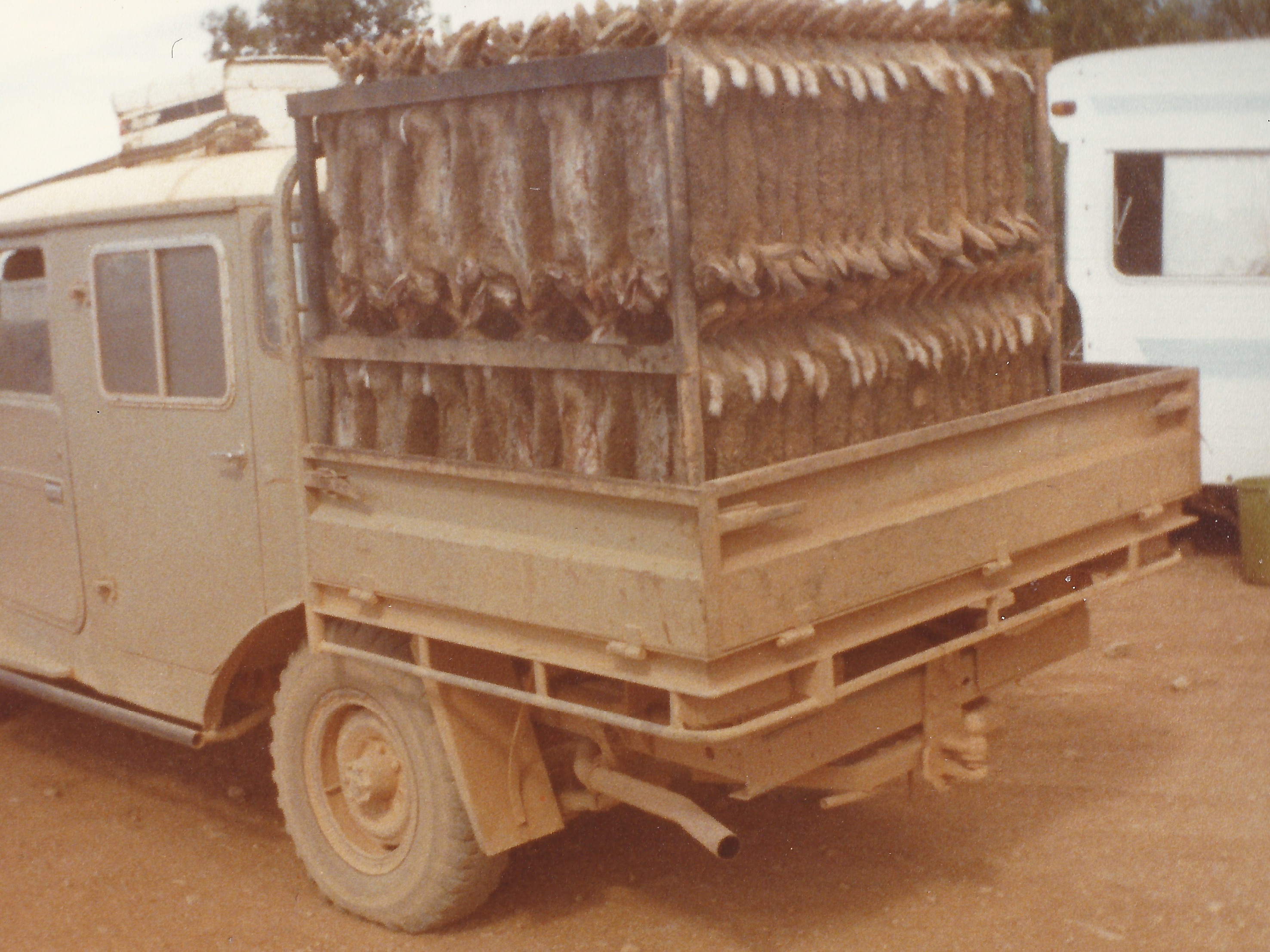
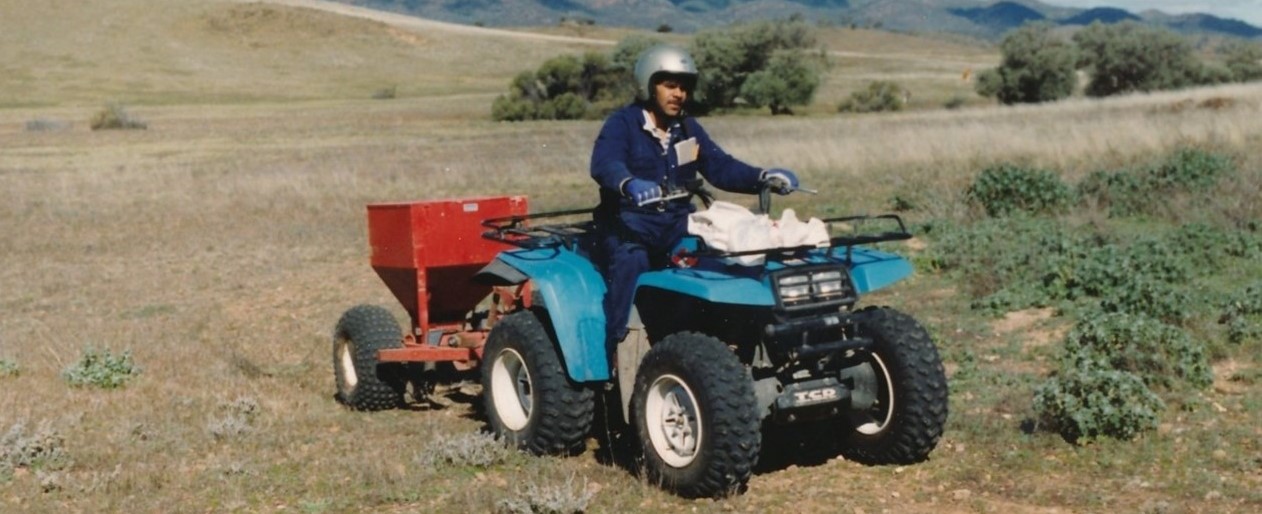
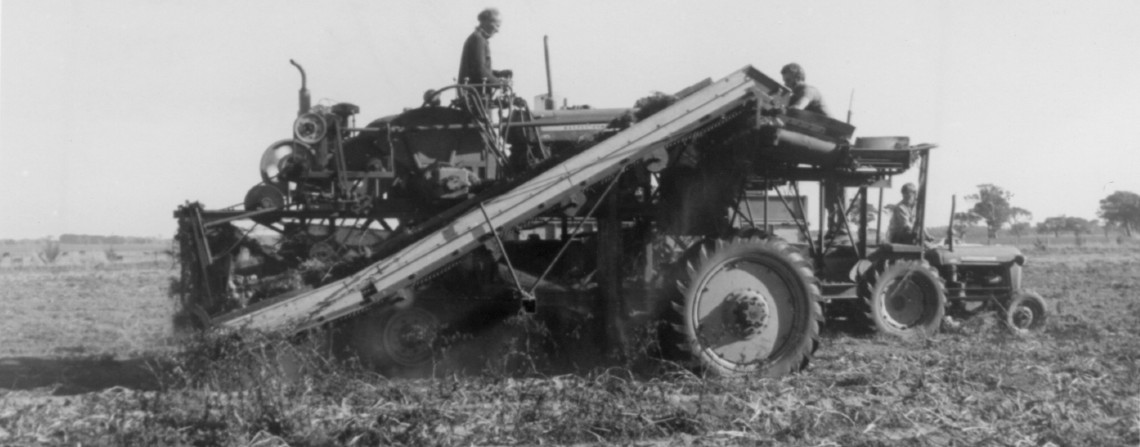
This site recounts the roles played by the Department of Agriculture, Agricultural Bureaus, learning institutions and other government agencies through historical documents, manuscripts, personal accounts and transcripts in the development of the agricultural industries and the role of government in South Australia through to the present day.
Many people have contributed information to the site so far and we would like to thank those involved as well as encourage new users of the site to make a contribution. Please use the link at the top right hand corner of the page to have your say.
The History of Agriculture site links to a collection of over 4000 historical images which can be searched and downloaded from the Agricultural History of South Australia Photo Database (opens in new window).
The History of Agriculture in South Australia is overseen by a Steering Committee comprising:
Dr John Radcliffe (Chair and Volunteer)
Arthur Tideman (Volunteer)
Trevor Roberts (Volunteer)
Barry Windle(Volunteer)
Roger Wickes(Volunteer)
Barry Philp(Volunteer)
Bill Giles(Volunteer)
Paul Heap(Volunteer)
Tricia Fraser (Support)
Don Plowman (PIRSA)
Paul Moran (DWLBC)
Rita Novia (PIRSA)
Mark Barber (PIRSA)
In addition to this website the Steering Committee had led the establishment of the photographic database, completion of oral histories and the collection of the many articles that make up this historical collection. The work of Arthur Tideman and Trevor Roberts in assembling and describing the large collection of photographs and related historical document is recognised.
The Steering Committee particularly acknowledges the contribution made by Bernie O’Neil, in collecting much of the historical material used in this website, undertaking the oral histories.
The material contained within this website has been contributed by many volunteers, most former Department members. The Steering Committee acknowledges their valuable contributions.